High In the Limestone Towers: A Week in the Alpine Silence
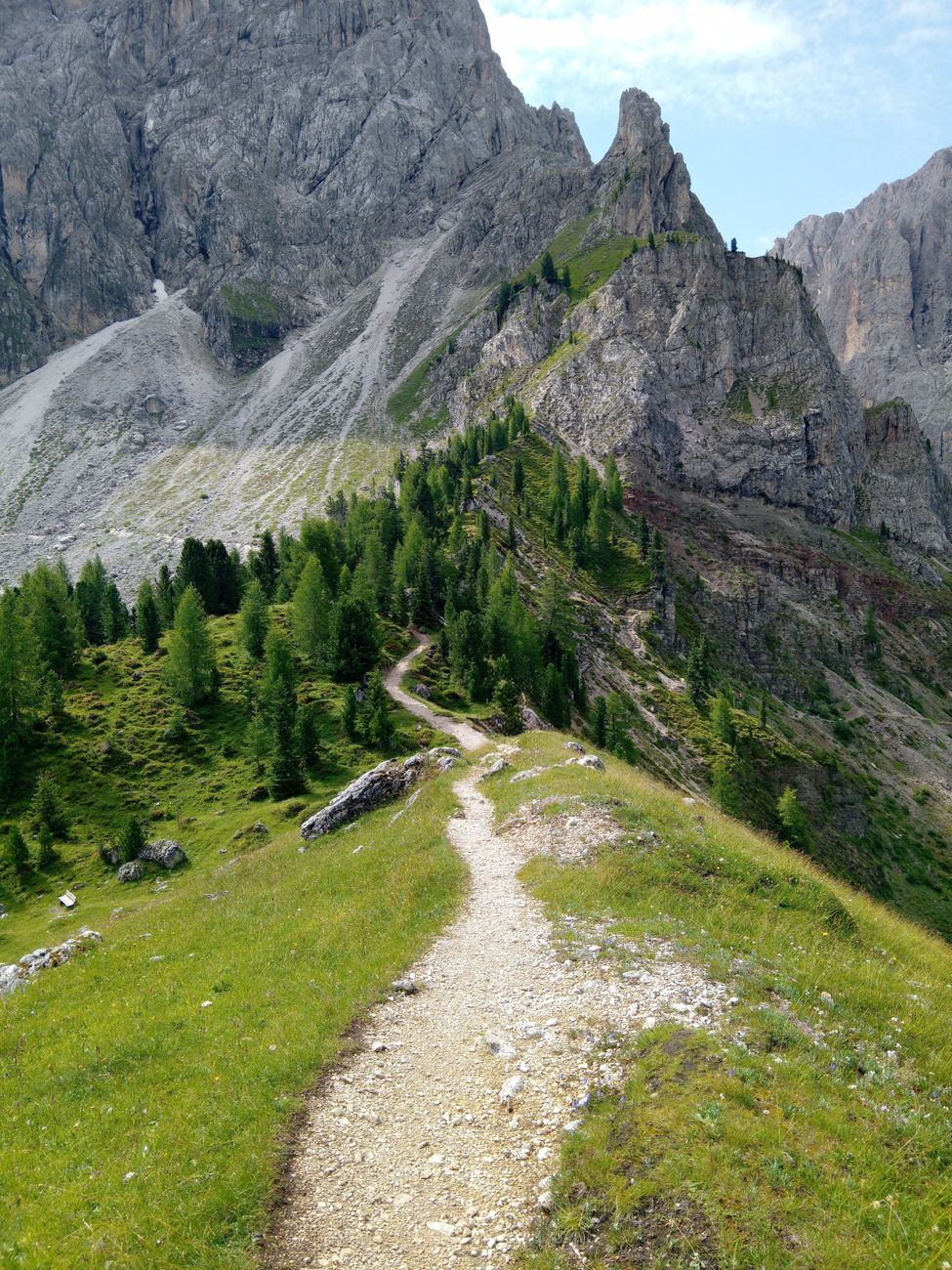
When the last afternoon cable car descends toward Cortina, the mountain basin slips into an acoustic clarity that feels ancient. At 2,400 meters, sound travels differently across the scree slopes; a distant hawk's cry echoes off sheer Dolomitic walls with the resonance of a cathedral organ. For those who choose to sleep above the tree line in historic stone rifugios, the Dolomites reveal an intimacy that day-trippers never encounter.
The Living Heritage of Alpine Refuges
Constructed in the late 19th and early 20th centuries as basic shelters for mountaineers mapping the border passes, modern refuges maintain an admirable balance between rudimentary endurance and hospitality. Polished pine benches, the comforting aroma of polenta simmering in copper cauldrons, and heavy wool blankets provide sanctuary after hours of navigating steep couloirs.
“The mountains do not demand speed; they ask only that you observe each step with the quiet attention of an apprentice stone-carver.”
Biodiversity in the Crevices
To walk the Alta Via trails is to witness how life clings to extreme adversity. Edelweiss, alpine saxifrage, and dwarf willows colonize narrow pockets of limestone soil that freeze for eight months of the year. Local shepherds still guide small flocks through high summer meadows, producing cheeses rich in the aromatics of wild thyme and clover.
As night settles, electricity is switched off at nine. Outside the wooden shutter, the Milky Way arches across the jagged teeth of the Tre Cime. In this silence, free of digital clutter, the mind recalibrates to cosmic scale.
Seeking a Tailored Alpine Itinerary?
Our research bureau curates private trekking dossiers and heritage lodge recommendations.