The Steam of Dawn: Hidden Tea Sanctuaries of Kyoto
In the quiet outer wards of Uji, twenty miles south of central Kyoto, the morning fog clings low over terraced fields of Camellia sinensis. For centuries, farmers here have draped straw mats over the bushes weeks before harvest to shield them from direct sunlight, coaxing the tender leaves into deep chlorophyll richness and concentrated umami.
The Architectural Geometry of Chanoyu
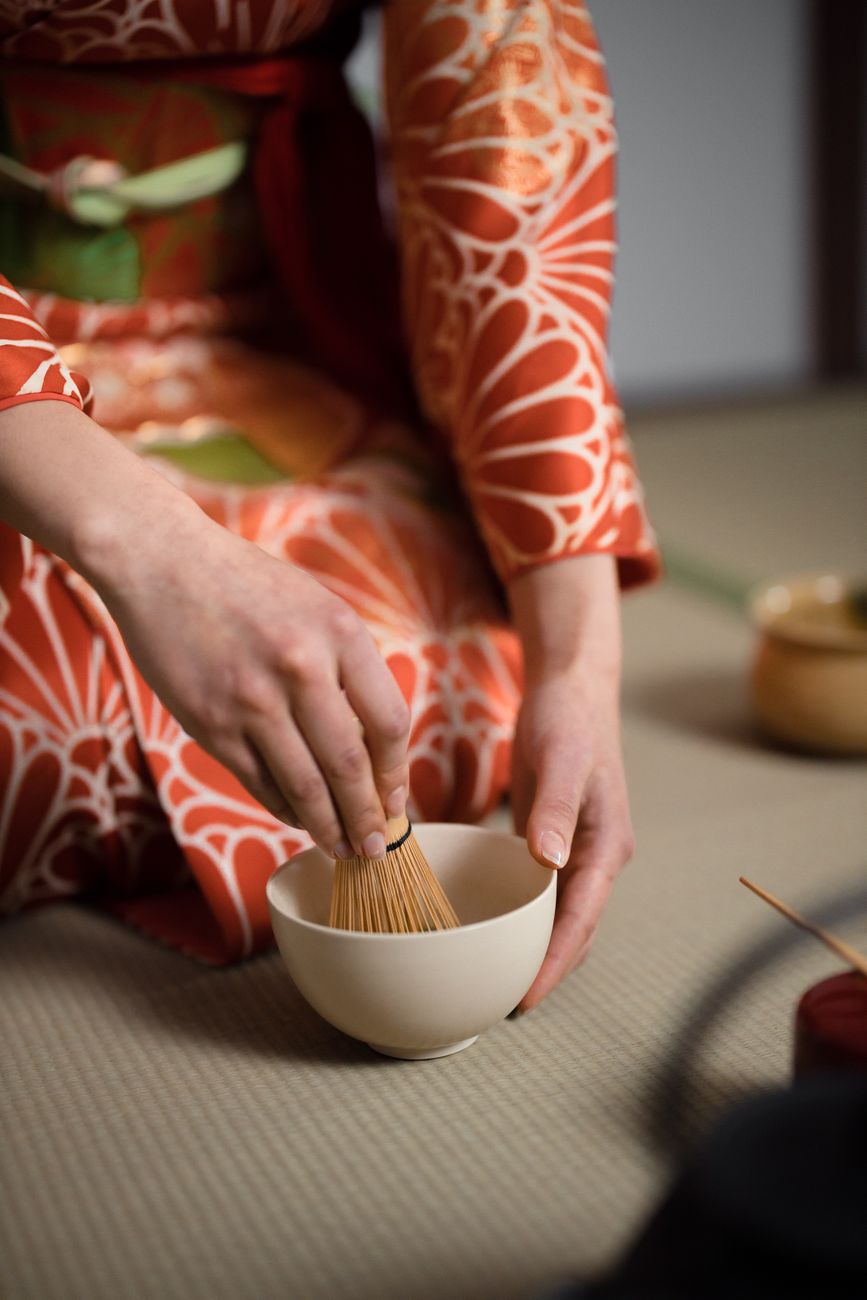
Entering an uncommercialized chashitsu (tea room) requires passing through a deliberately miniaturized crawl-door known as a nijiriguchi. By requiring every visitor—emperor, samurai, or humble traveler—to stoop low and enter on knees, the architecture establishes absolute equality before the tea.
Inside, the tatami smells of dried rush grass. The sole adornment in the alcove (tokonoma) is a single seasonal flower resting in an unglazed ceramic vase alongside a hand-brushed scroll reflecting the morning's mood.
“The whisking of green tea is not theater; it is a shared breath between host, guest, kettle, and season.”
Slow Cultivation Over Mass Tourism
While the center of Kyoto contends with dense crowds, these family-run estates operate on familial rhythms that have endured sixteen generations. Visiting these sanctuaries demands respect for silence, shoes removed at the cedar threshold, and a willingness to simply listen to water boiling over binchotan charcoal.
Discover Hidden Cultural Sanctuaries
Connect with our editors for tailored cultural research dossiers in Japan.